Seven mistakes every beginner tattoo artist makes (and their fixes)
Every artist makes these — the difference between a slow start and a fast one is how quickly you notice. None of these fixes requires talent; they require a habit change and some honesty with your own work.
Overworking the skin, guessing at voltage, fighting the stencil, cheap needles — the classic early mistakes, why they happen and the concrete habit that fixes each one.
1. Overworking the same area
Going over a line or fill again and again "until it takes" is the classic early mistake — it damages skin, blows out lines and heals patchy. The fix: get depth and speed right so one pass does the job, and accept that a second pass is a decision, not a reflex. If ink is not taking, the answer is technique or needle choice, not repetition.
2. Guessing at voltage
Copying someone's "8 volts" from a video ignores that voltage interacts with your machine's stroke, your needle and your hand speed. The fix: learn what a smoothly running machine sounds and feels like, start in the machine manufacturer's suggested range, and adjust in half-volt steps while watching how the needle deposits — not the number.
3. Fighting a bad stencil instead of redoing it
A smudged or half-transferred stencil never improves mid-session. The fix is brutal but simple: if the transfer is not right, clean it off completely and reapply. Ten minutes now beats a crooked tattoo forever. (Our stencil guide covers the routine that makes reapplication rare.)
4. Cheap or inconsistent needles
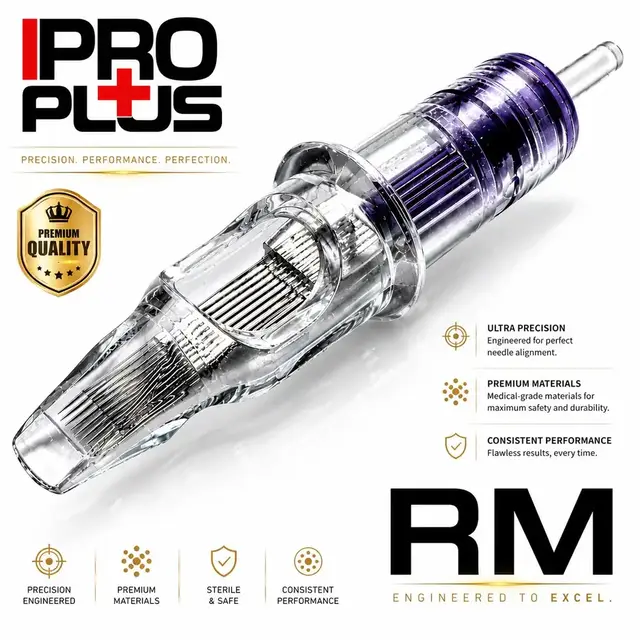
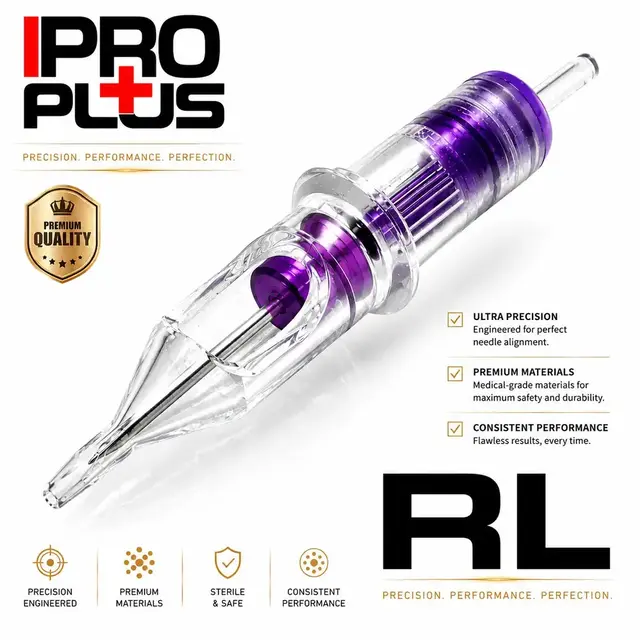
Unbranded cartridges with hooked points or loose groupings make even correct technique look wrong — and a beginner cannot yet tell whether the fault is the hand or the needle. The fix: buy traceable, EO-sterilised cartridges from a reputable brand, so the needle is one variable you never have to doubt.
5. Neglecting the stretch
Loose skin moves under the needle: wobbly lines, uneven depth, patchy fills. The fix: make the three-point stretch — machine hand, stretching hand, body position — part of every stroke, even on artificial skin where it feels unnecessary. The habit must exist before the client does.
6. Treating hygiene as a checklist for later
Practising at a bare desk builds exactly the habits you do not want. The fix: full setup every time — gloves, barriers, ink caps, sharps disposal — so the clean workflow is automatic long before anyone's skin depends on it.
7. Skipping aftercare advice
The tattoo's final quality is decided in the client's bathroom over the following fortnight. The fix: hand over aftercare instructions verbally and in writing, recommend a specific product rather than "some cream", and make the healed check-in part of your process. Healed photos, not fresh ones, tell you the truth about your work.
Photograph everything — practice sheets and healed work alike — and review weekly. Almost every mistake on this list is invisible in the moment and obvious in a photo taken three weeks later.
Reliable basics in the catalogue


Frequently asked questions
What is the most common beginner tattooing mistake?+
Overworking the skin — repeatedly going over the same line or fill "until it takes". It damages skin and heals badly. The underlying fix is getting needle depth and hand speed right so a single pass does the job.
How do I know my machine voltage is right?+
By behaviour, not by number: the machine should run smoothly without bogging down, and the needle should deposit ink cleanly without you forcing passes. Start within the manufacturer's suggested range and adjust in small steps for your needle and hand speed.
Why do my lines wobble even on fake skin?+
Usually a missing stretch and inconsistent hand speed. Anchor your working hand, stretch the surface properly even on synthetic sheets, and pull lines towards you in one continuous motion at constant speed.