Practising on artificial skin: how to get the most from fake skin
Artificial skin will not teach you everything — real skin stretches, bleeds and swells, and fake skin does none of that. What it does brilliantly is let you burn through the thousand early mistakes of machine control without consequence. Used with structure, it is the cheapest teacher you will ever hire.
Synthetic skin lets you build machine control before you ever touch a client — if you use it deliberately. Drills, settings, honest limitations and how to progress.
What artificial skin is good for — and what it is not
| Trains well | Does not train |
|---|---|
| Machine handling, angle and speed consistency | Skin stretch and tension management |
| Line steadiness and connecting curves | Depth feedback from real tissue |
| Shading patterns and gradient building | Bleeding, swelling, client movement |
| Stencil application and working order | How healed ink actually settles |
Because synthetic sheets offer more drag and no stretch, ink also sits differently — expect lines to look slightly bolder and washes to read darker than they would heal on skin. That is fine: you are training your hand, not calibrating your healed results.
Choosing practice skin
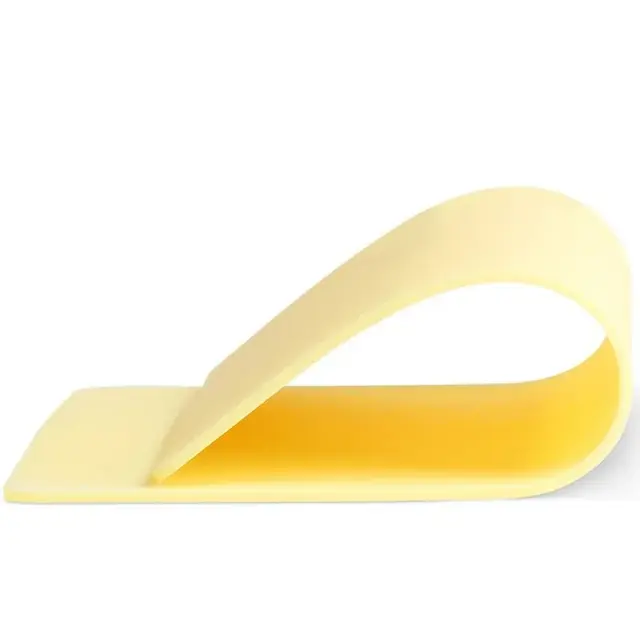
- Thickness: 3 mm+ sheets are more forgiving and let you feel depth differences; thin sheets are cheaper but bottom out quickly.
- Size: bigger sheets let you practise full small designs and placement, not just isolated strokes.
- Shaped pieces (hands, arms) are worth it later, when you start thinking about working on curves.
- Silicone-style sheets take stencils and ink better than the cheapest rubber sheets — worth the small step up.
A practice structure that actually builds skill
- Warm up with straight lines: rows of parallel lines, pulled towards you, focusing on constant speed and one smooth motion. Fill a page of these before anything fun.
- Curves and circles: spirals, S-curves and small circles — connecting a curve without a wobble is the skill that separates clean linework.
- Long lines: practise pulling one continuous line across the whole sheet without stopping; re-positioning mid-line shows forever.
- Shading gradients: build smooth transitions from dark to nothing using whip shading and pendulum motion, one value at a time.
- Packing: fill defined shapes with solid colour evenly, watching your overlap pattern.
- Full mock tattoo: stencil a complete small design and execute it start to finish, in proper working order, with your full hygiene setup as if it were a client.
Set up gloves, barriers, ink caps and station layout every time you practise — even alone at a desk. Hygiene routines only protect clients when they are automatic, and automatic comes from repetition, not intention.
Machine settings on synthetic skin
- Run your normal setup — the point is transferable habits, so avoid "fake skin settings" you would never use on a client.
- Voltage may need a small bump because synthetic material drags more; adjust until the machine runs smoothly rather than forcing your hand speed to compensate.
- Stretch the sheet as you would stretch skin: tape it to a curved surface or your practice arm to make the habit real.
- Wipe with the same blot-not-scrub discipline you want at the real station.
Progressing beyond the sheet
When your lines are consistent on flat sheets, move to curved surfaces; when a full mock tattoo looks clean from start to finish, you are ready for supervised work under a mentor. Artificial skin is a bridge — a proper apprenticeship, where an experienced artist watches your depth, stretch and hygiene, remains the standard route into working on real skin.
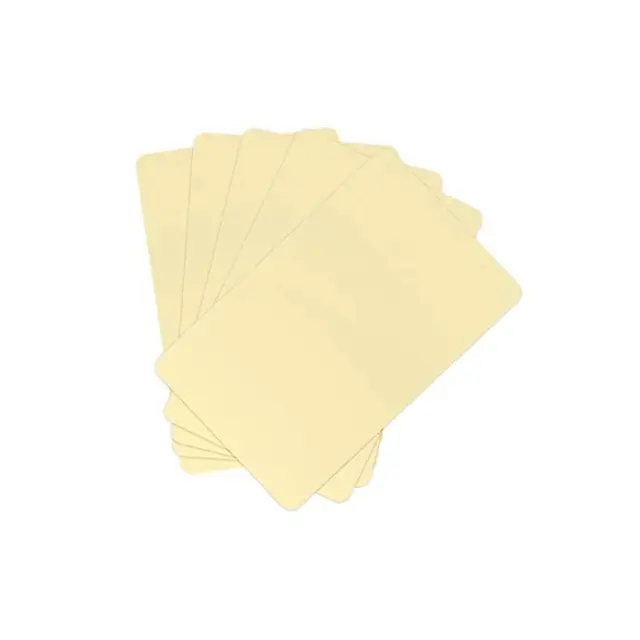
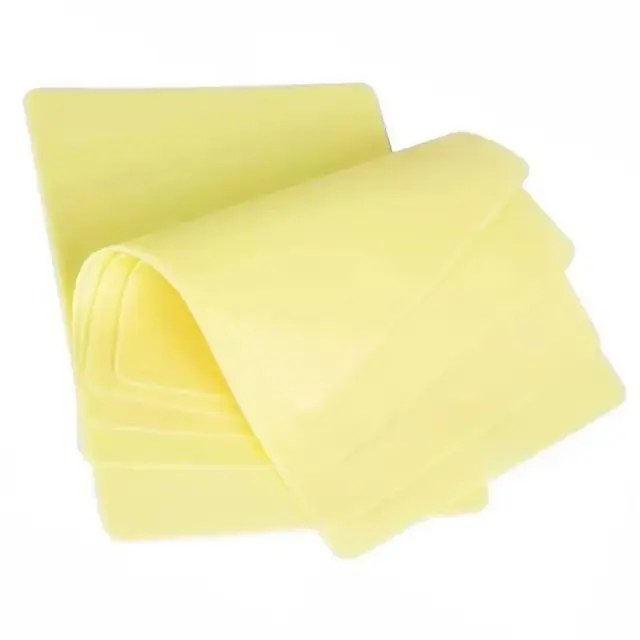
Artificial skin in the catalogue
Frequently asked questions
Is practising on artificial skin worth it?+
Yes — it is the safest way to build machine control, line consistency and shading technique before working on real skin. Its limits are equally real: it cannot teach skin stretch, depth feedback or healing, so treat it as a bridge towards supervised practice, not a substitute.
What thickness of practice skin should I buy?+
Sheets of around 3 mm or more are the most useful — they are forgiving and let you feel the difference between working too shallow and too deep. Larger sheets also let you practise complete designs and placement rather than isolated strokes.
Do I use the same machine settings on fake skin?+
Start with your normal setup and nudge the voltage slightly if the machine struggles with the extra drag of synthetic material. Avoid inventing special settings you would never use on a client — the goal is transferable habits.