Building your first tattoo kit: what to buy (and what to skip)
The tempting route is a boxed "complete kit" with a machine, mystery inks and a bag of needles. The professional route costs a little more thought and buys you equipment you will still be using in two years. Here is the list we would hand a beginner.
A sensible first shopping list — machine, power, needles, inks, stencil and hygiene supplies — with honest notes on where money matters and where it does not.
The core list
- Machine: one cartridge pen, medium (~3.5 mm) stroke, soft-to-medium give, under ~150 g. This is the item where mid-range spending pays off most.
- Power: a stable digital power supply (or a quality battery pack if your pen is wireless) — unstable voltage sabotages everything downstream.
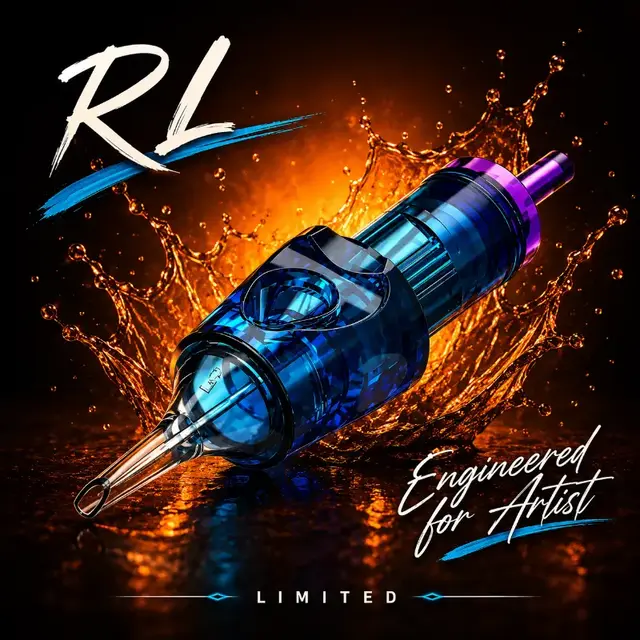
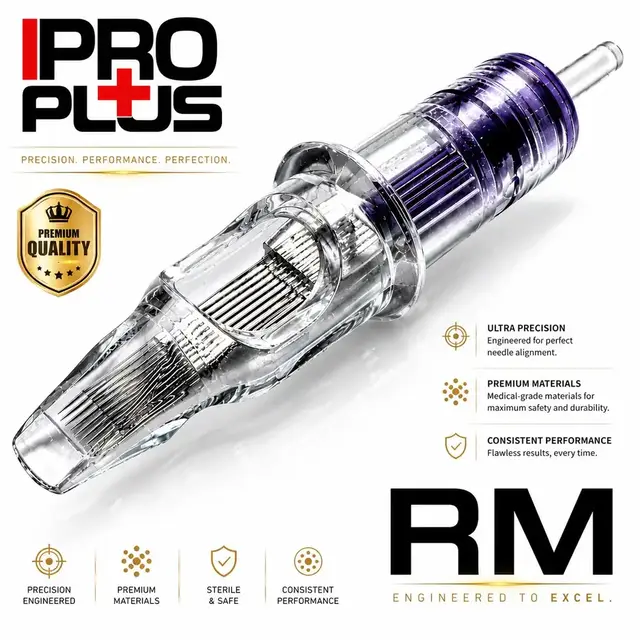
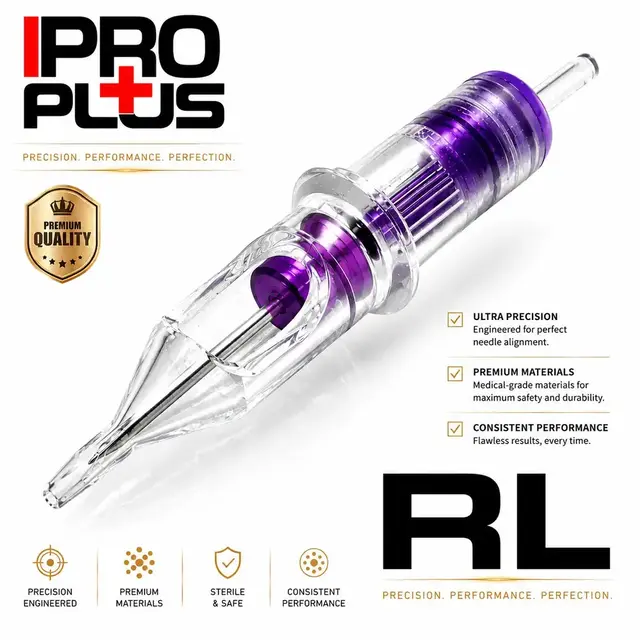
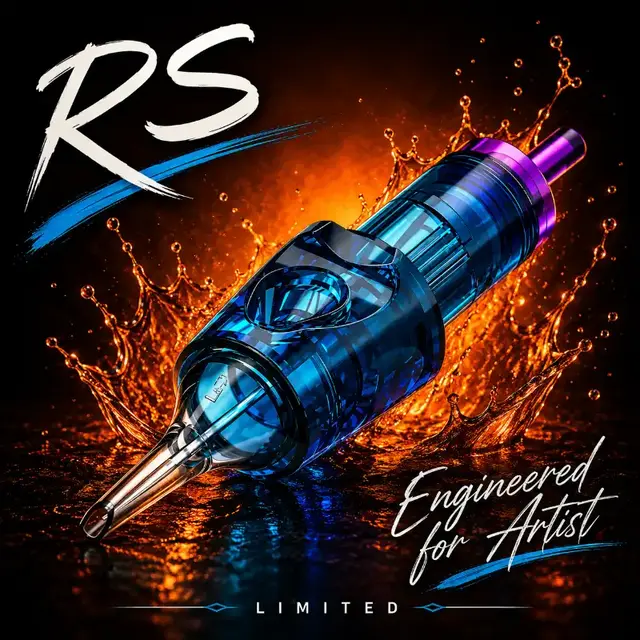
- Cartridges: a working assortment rather than one of everything — 3RL, 5RL, 7RL for lines; 7RM, 9RM, 11RM for shading; one box of M1s for packing practice.
- Ink: a reputable lining black, a shading black or small greywash set, and a white. Colours come later, when your practice demands them.
- Stencil: thermal transfer paper and a bottle of stencil application solution.
- Practice surface: several large artificial skin sheets, 3 mm+ thick — you will use more than you think.
- Hygiene: nitrile gloves, barrier film, machine bags, clip cord sleeves, dental bibs, single-use razors, ink caps, rinse cups, paper towels, a surface disinfectant and a sharps container.
- Aftercare: a small stock of the product you intend to recommend, so you learn what you will one day be advising on.
Spend properly on the machine, the power source and everything sterile. Save on furniture, storage and accessories. Never save on anything that goes through or onto broken skin.
What to skip
- Boxed beginner kits with unbranded inks: untraceable pigments have no place in skin — and usually no place on artificial skin either, since you are training habits.
- Fifty-colour ink walls: colours expire; buy small and fresh instead.
- A second machine "as backup" on day one: learn one machine's character first.
- Gadget accessories — cartridge organisers and RGB pedals can wait indefinitely.
Starter essentials in the catalogue
A note on the order of things
Equipment is the smallest part of becoming a tattoo artist. The standard route remains drawing daily, practising on artificial skin with structure, and seeking an apprenticeship where an experienced artist supervises your first real work — including the hygiene standards your local authority expects of registered artists. Buy the kit that supports that path rather than the kit that promises to skip it.
Frequently asked questions
How much does a sensible first tattoo kit cost?+
It depends on the machine tier you choose, but the structure of spending matters more than the total: prioritise the machine, the power source and sterile consumables, and skip bundled kits with unbranded inks. A modest, well-chosen list outperforms a large cheap one.
What cartridges should a beginner buy first?+
A small working assortment: 3RL, 5RL and 7RL for linework, 7RM–11RM for shading, and a box of M1 magnums for packing practice. Expand only when your practice tells you what you are missing.
Are boxed beginner tattoo kits worth it?+
Generally no. The machine is usually the weakest acceptable part, and the included inks are often untraceable — which rules them out for skin. Building a small kit from reputable components costs slightly more and serves you for years.