How to store tattoo ink (and when to throw it away)
Ink is a perishable product with a batch number, an expiry date and an opinion about how you treat it. Good storage costs nothing and protects both your results and your clients; poor storage quietly turns good pigment into a liability.
Shelf life, opened-bottle discipline, light and temperature, cap hygiene — the storage habits that keep ink safe and consistent, and the signs a bottle is done.
The rules that matter
- Room temperature, stable: a cupboard away from radiators, windows and machinery heat. Repeated warm-cool cycles degrade the suspension.
- Out of sunlight: UV degrades pigments — a closed drawer or cabinet beats an open shelf, however good the bottles look on display.
- No freezing: a frosted delivery van or a cold garage can break an ink's consistency permanently.
- Upright and sealed: caps wiped clean and closed firmly straight after pouring; crusted threads stop bottles sealing.
- First in, first out: new stock goes behind old, and the shelf gets a date-check sweep periodically.
Expiry dates and opened bottles
Every reputable ink carries a batch/lot number and an expiry date; on many labels there is also an open-jar symbol stating a period-after-opening. Sealed and stored well, ink is good until its printed date. Once opened, the clock changes: note the opening date on the bottle and follow the manufacturer's period-after-opening guidance. An expired bottle — or one past its opened window — is not a discount opportunity; sterility and pigment stability are exactly what expiry protects.
Pouring hygiene: where storage meets safety
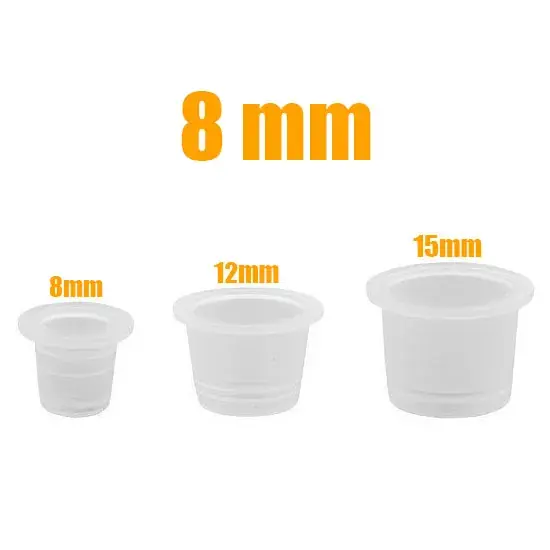
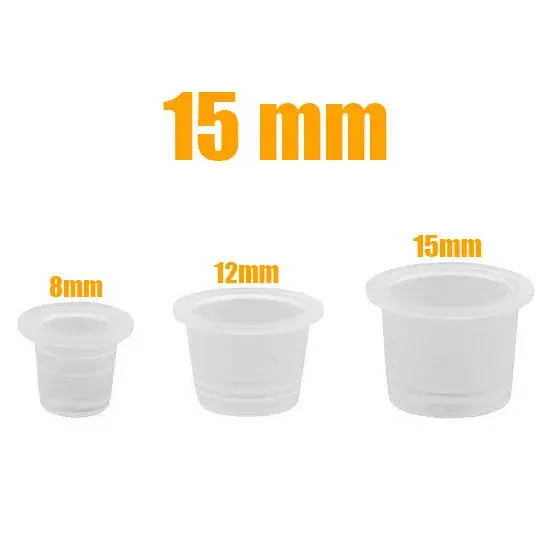
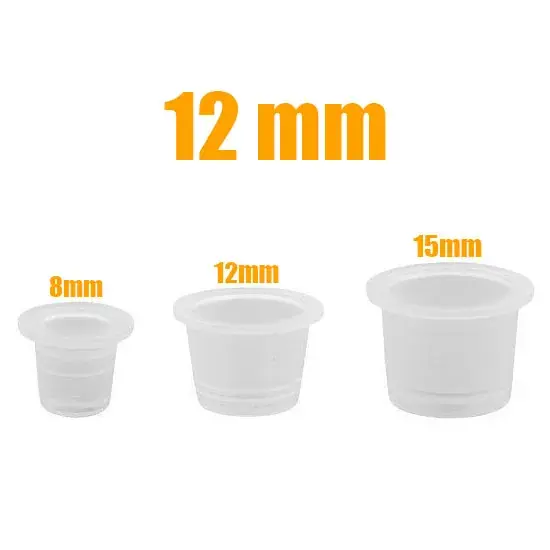
- Pour into single-use ink caps before the session; never work from the bottle.
- The bottle nozzle touches nothing — not the cap, not gloves, not the machine.
- Whatever is poured out never goes back in. Leftover ink in caps is waste, always.
- Shake well before pouring — settled pigment means the first pour is mostly carrier and your values shift mid-project.
When to throw a bottle away
| Sign | What it means |
|---|---|
| Past expiry / opened window | Sterility and stability no longer guaranteed — bin it |
| Separation that shaking cannot fix | The suspension has broken |
| Off smell | Contamination or spoilage |
| Clumps, strings or texture change | Bacterial growth or degraded binder |
| Nozzle contact with anything used | Treat the bottle as contaminated |
The cheapest ink per millilitre is the large bottle you throw half of away. Unless a colour is in daily rotation, smaller bottles used within their window beat bulk sizes that expire — smaller bottles, fresher ink, better healed results.
Inks in the catalogue
Frequently asked questions
How long does tattoo ink last?+
Sealed and stored correctly, until the expiry date printed on the bottle. Once opened, follow the manufacturer's period-after-opening guidance and note the opening date on the label — an opened bottle does not last until the printed date by default.
Should tattoo ink be refrigerated?+
No. Store it at stable room temperature, away from sunlight and heat sources, and never let it freeze. Cold does not preserve ink — it can break the pigment suspension permanently.
Can I pour unused ink from the cap back into the bottle?+
Never. Anything poured out of the bottle is potentially contaminated the moment it leaves. Leftover ink in caps is disposed of after the session — pour smaller amounts more often if waste bothers you.