Tattoo aftercare products compared: creams, balms, films and soaps
Aftercare is a small shelf with an outsized effect: the fortnight after the session decides how the work heals. The products fall into four practical families, and each has a distinct job. None of this replaces an artist's instructions or a doctor's advice — it is a map of the options.
Panthenol creams, dedicated tattoo balms, second-skin films and cleansing foams — what each does, where each fits in the healing timeline, and how to advise clients.
The four families
Panthenol-based creams
The classic route: pharmacy creams built around dexpanthenol (pro-vitamin B5), the best-known example being Bepanthen. Widely available, well tolerated and long used by tattoo studios. Their origin is general skin repair rather than tattoos specifically — the formulation is rich, so the "thin layer" rule matters doubly.
Dedicated tattoo balms and butters
Products designed for tattoo healing specifically — brands like Balm Tattoo build entire aftercare lines this way, commonly with vegan formulations, plant butters and no fragrance. Typically lighter to spread and formulated with healing tattoos (and healed-tattoo maintenance) in mind. Usually pricier per gram than pharmacy creams.
Second-skin films
Breathable adhesive films applied over the fresh tattoo that stay on for several days, protecting the wound from friction and contamination while it heals in a moist environment. They replace the wash-and-cream routine for the days they are worn, and clients love the convenience — but they must be applied and removed correctly, and some skins react to adhesives.
Cleansing soaps and foams
The unglamorous foundation: mild, fragrance-free washes — including studio foam soaps — that clean the tattoo without stripping or irritating it. Whatever moisturising route a client takes, gentle washing is the non-negotiable half of aftercare.
| Product | Role | Strengths | Watch out for |
|---|---|---|---|
| Panthenol cream | Moisturise during healing | Proven, accessible, well tolerated | Rich texture — thin layers only |
| Tattoo balm/butter | Moisturise + healed-ink care | Purpose-made, often vegan, pleasant to use | Higher price; check ingredient list |
| Second-skin film | Protective barrier, days 1–5 | Convenience, friction protection | Correct application; adhesive sensitivity |
| Mild soap/foam | Cleansing throughout | The foundation of every routine | Must be fragrance-free and gentle |
Any of the moisturising routes works when used correctly — the discipline matters more than the brand. Wash gently, apply thin layers, keep the tattoo out of soaks and sun, and follow your artist's specific instructions. If skin reacts badly to any product, stop using it; if you see signs of infection, contact your GP or NHS 111.
Aftercare in the catalogue
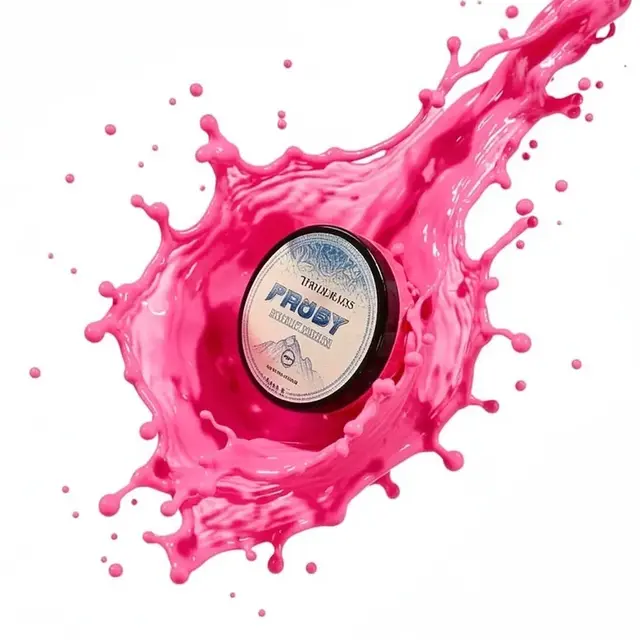
Frost Pink Aftercare With Vitamin A and E and Panthenol and Aloe Vera REACH 50 ml
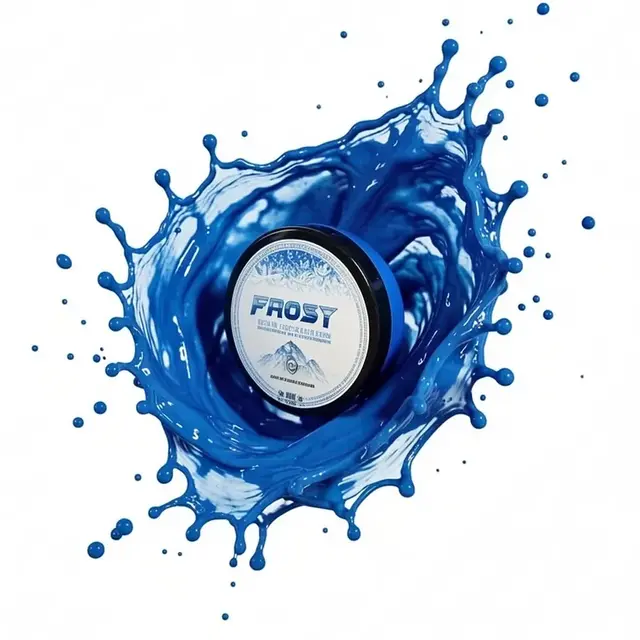
Frost Blue Aftercare With Vitamin A and E and Panthenol and Aloe Vera REACH 50 ml
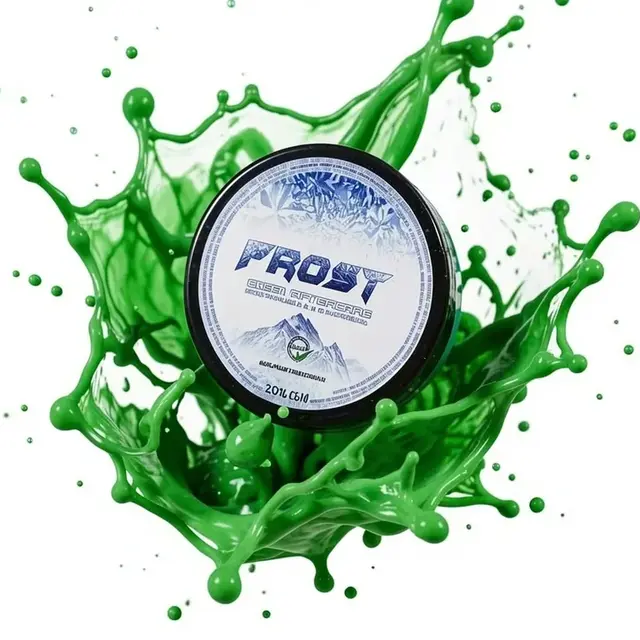
Frost Green Aftercare With Vitamin A and E and Panthenol and Aloe Vera REACH 50 ml
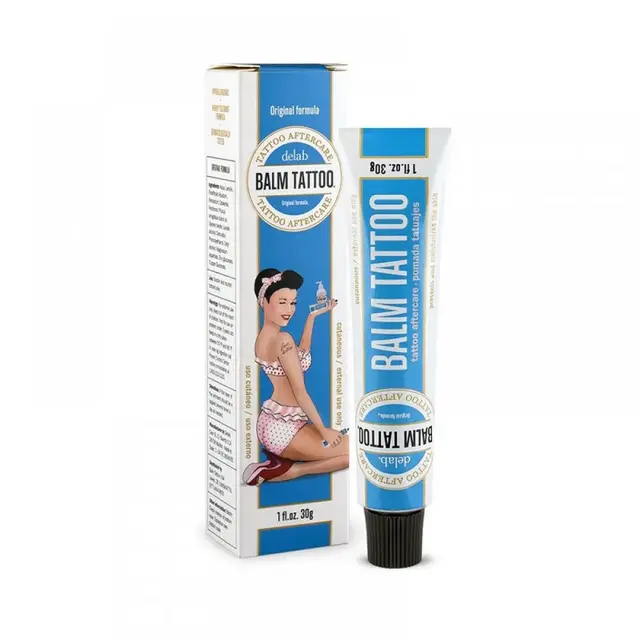
Balm Tattoo Original 30gr
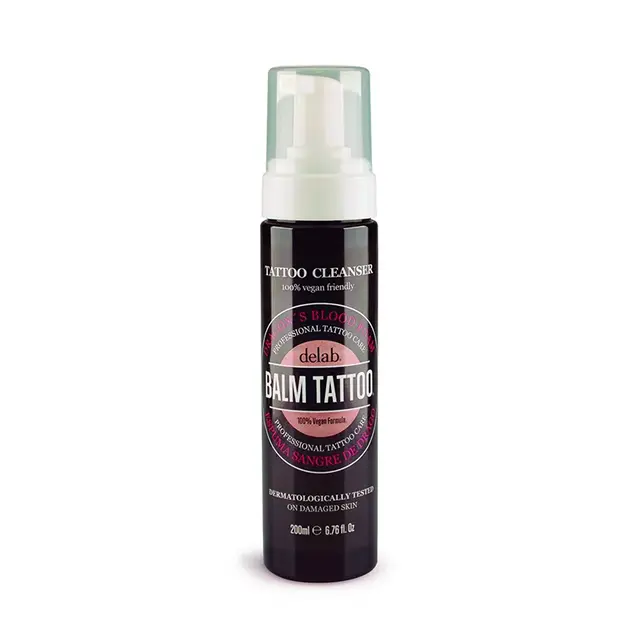
Balm Tattoo Dragon’s Blood Foam 200ml
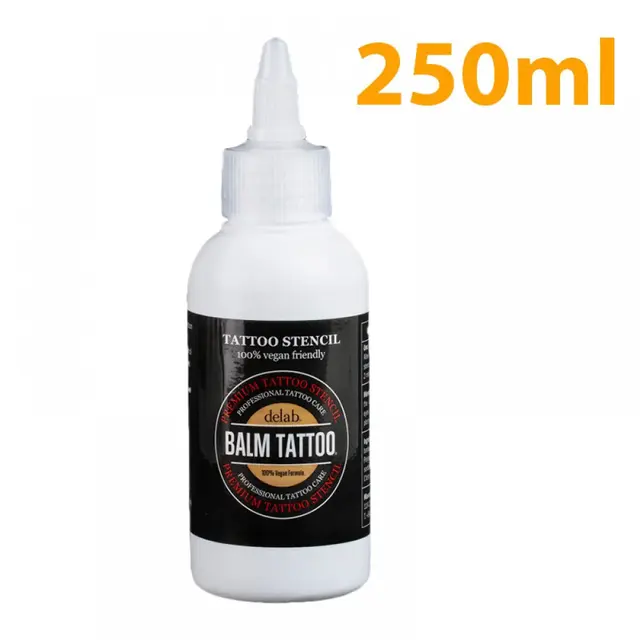
Balm Tattoo Stencil 250ml
For studios: what to stock
- One trusted moisturising product you can hand to every client with a one-line instruction — consistency beats variety at the counter.
- Second-skin film in the studio for the artists, plus retail packs for clients who want the convenient route.
- A gentle foam soap for the station doubles as the product you recommend for home washing.
- Sample or travel sizes make aftercare an easy add-on sale that genuinely serves the client.
Frequently asked questions
Is a dedicated tattoo balm better than a pharmacy panthenol cream?+
Both work when used correctly. Panthenol creams like Bepanthen are proven, accessible and well tolerated; dedicated balms are purpose-formulated, often vegan and lighter to spread. The consistent routine — gentle washing and thin layers — matters more than which of the two you choose.
How do second-skin films work?+
They are breathable adhesive films applied over the fresh tattoo that protect it from friction and contamination for several days while it heals in a moist environment. They replace washing and creaming while worn, but must be applied and removed as instructed — and some people are sensitive to adhesives.
What soap should be used on a healing tattoo?+
A mild, fragrance-free soap or foam — nothing exfoliating, antibacterial-harsh or perfumed. Gentle cleansing once or twice a day is the foundation that every aftercare routine shares.
Can aftercare products fix a badly healed tattoo?+
No — aftercare protects healing, it cannot reverse it. Once an area has healed patchy or lost ink, the remedy is a touch-up session with the artist. Good aftercare simply makes that scenario much less likely.